Practical buyer
Treats a car as everyday mobility. Compares purchase and ownership costs, service availability and the clarity of the warranty.
Six focus groups exploring why modern design, technology and an attractive price do not automatically translate into a purchase decision.
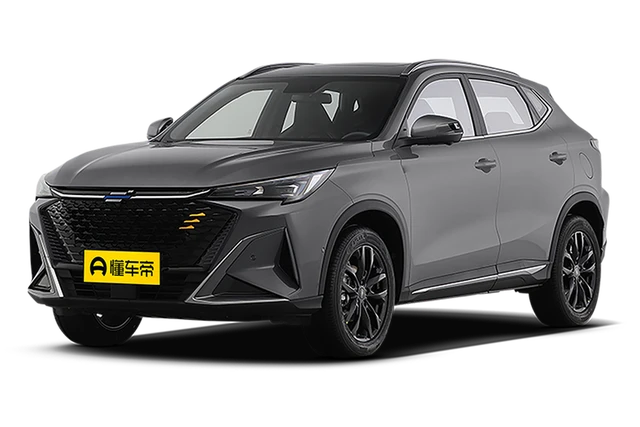
Oshan is an automotive marque associated with Changan. The study examined how buyers perceived an unfamiliar brand, from initial awareness and model comparisons to expectations of the dealer, warranty and ongoing maintenance.
The project concerns the Russian automotive market and prospective buyers in 2024. Its focus was not technical vehicle testing, but how people interpreted the brand proposition and the risks they associated with buying.
An unfamiliar car brand needs more than a compelling photograph. Buyers consider an expensive purchase over several years: who will service the vehicle, whether parts will be available and what will happen if they make a warranty claim.
The research question was which product attributes generated interest, what stopped buyers and which evidence could move them from curiosity to serious consideration. Product, price, communications and service were therefore examined as parts of the same purchase decision.
Establish whether people recognize the marque, which brands they confuse it with and what they expect before seeing a particular model. This separates low awareness from a negative brand image.
Explore design, vehicle category, specification, multimedia, driver assistance and price. The aim is to understand their role in an actual choice, rather than simply collect a list of attractive features.
Identify persistent concerns about quality and longevity, and the experiences that reinforce or change those beliefs.
Clarify expectations of warranties, workshop access and spare parts. Identify unanswered questions along the purchase journey.
Understand which messages and visuals feel credible, which promises need evidence and why emphasizing a low price alone can undermine the brand.
Focus groups made it possible to explore how opinions about an unfamiliar brand formed and differed: which arguments resonated, what prompted doubt and which questions emerged after discussing price and specification. The research design combined discussion with concept evaluation and a review of the buyer journey.
The design prioritizes in-person sessions, with online groups as an option for hard-to-reach profiles. Research materials include consent-based recordings, transcripts and thematic coding. Concept comparisons should use consistent stimuli and capture individual reactions so that the discussion does not replace a participant’s initial evaluation.
Six groups are the project scale reported in the case materials. The 6–8 participant group size, age criteria and agenda below describe the research design. A separate verified total attendance figure is not reported.
Treats a car as everyday mobility. Compares purchase and ownership costs, service availability and the clarity of the warranty.
Considers shared journeys, safety, space and predictable expenses. An unfamiliar marque is assessed against the prospect of long-term ownership.
Pays attention to multimedia, connectivity, digital features and assistance systems. Interested in innovation, while still questioning reliability and support.
The recruitment framework covered drivers aged 25–55 with at least one year of driving experience, ownership experience in the B/C/SUV categories and a foreseeable purchase intention. Budget, considered marques and life circumstances matter alongside demographic characteristics.
Confirm a driving licence, driving history and the vehicle currently owned.
Check the purchase horizon—within 12 months or one to two years—along with budget and considered alternatives.
Compare the 25–34, 35–44 and 45–55 age bands, the role of a car in daily life and purchase priorities.
Exclude direct employment in automotive, research and marketing roles so that expert knowledge does not replace a buyer’s response.
Check focus group participation within the past six months and reduce the risk of recruiting habitual professional participants.
Agree the session length, recording arrangements and confidentiality in advance. Incentives are budgeted separately according to recruitment difficulty.
Example 120-minute agenda. Module timing is adjusted to the discussion, with room for transitions and follow-up questions.
Explain the format, confidentiality and recording. Create room for participants to voice concerns and disagree safely.
Use short stories about journeys and car use to move from abstract preferences to real situations.
Collect first associations with Oshan and Chinese marques before presenting detailed materials. Separate spontaneous perceptions from stimulus-driven reactions.
Discuss four alternative-brand cards, price references, expected quality and value. Explore where people place Oshan and why.
Present two or three concepts: vehicle images, specifications, price cards and advertising messages. Capture individual evaluations before the group discussion.
Discuss purchasing and support scenarios. Identify the documents, timelines and dealer actions that reduce uncertainty.
Trace the steps from awareness to servicing. Mark where people look for information, compare alternatives or withdraw from consideration.
Revisit the strongest arguments for and against. Ask what changed participants’ views, what remains unanswered and what needs further validation.
The moderator does not defend the brand or seek agreement with a product idea. Their role is to maintain focus, invite quieter participants in, manage dominant voices and probe reasons. Asking what specifically concerns someone is more useful than trying to convince them that the concern is unfounded.
Photos, key characteristics and equipment lists to anchor discussion in a concrete offer.
Feature, multimedia and safety videos to test whether the benefits of technology are clear.
Comparable price cards and offer options to uncover expectations beyond a response to discounts.
Service package options and support conditions to discuss evidence of dependable ownership.
An expectations checklist spanning first contact, test drives, purchase and servicing.
Discussion of price ranges informs hypotheses. A group-based price exercise does not replace a quantitative pricing study or demand estimate.
The analytical logic connects perception, its underlying reason and the consequence for the decision. The steps below explain how to interpret the qualitative findings in this case.
Compare spontaneous associations, individual evaluations and the closing discussion. Distinguish prior beliefs from responses to the materials or other participants.
Organize comments about price, design, technology, quality, warranties, parts and service. Within each theme, separate experience, expectation, concern and assumption.
Look beyond common motivations to differences between profiles: who prioritizes digital features, who needs family practicality and who focuses on predictable expenses.
Link each barrier to a brand response, a touchpoint and a subsequent validation method. A useful recommendation specifies what to change and how to evaluate the change.
Participants were not very familiar with Oshan and could confuse it with other Chinese marques. More specific knowledge appeared among people who follow new car brands.
Explain what the brand stands for and where its offer fits before relying on recognition. A logo or name alone cannot be expected to supply that context.
An attractive price coexisted with concerns about longevity. Being perceived as an affordable Chinese car did not automatically create a favorable brand image.
Support the value proposition with tangible evidence: clear ownership terms, independent testing and real service experience.
The X5 and X7 prompted positive reactions to design and specification, while responses to MPVs and sedans were more restrained.
Build a clear SUV proposition around recognizable use cases. This is a qualitative positioning insight, rather than a forecast of model sales shares.
An appealing deal generated interest but could also suggest compromises in quality, followed by concerns about repairs and spare parts.
Explain value and offer composition rather than cheapness alone. Help buyers compare equipment and support alongside the purchase price.
Parts availability, maintenance quality and understandable warranty terms affected willingness to consider the brand. Without confidence in support, product appeal might not lead to the next step.
Make service part of the pre-sale proposition: show workshop locations, parts supply arrangements, warranty processes and dealer responsibilities.
Younger participants responded positively to multimedia, assistance systems and digital features. These benefits did not eliminate concerns about quality and servicing.
Connect technology to everyday benefits and ongoing support. A modern product promise needs a credible explanation of how the features will keep working over time.
Recommendations are organized by implementation horizon. They describe proposed directions, rather than a confirmed client implementation schedule.
Use independent tests, real servicing stories and owner experience. Pair each promise with specific supporting evidence.
Shift the emphasis from cheapness to technology, specification and sensible value. Avoid making positioning a list of discounts.
Explain warranty conditions, claim procedures, service access and parts supply on the website and at dealerships.
Standardize reception and support at dealerships, using a checklist and a clear communication process.
Evaluate a five- to seven-year warranty or an initial service package. These are options for commercial assessment and testing, not implemented terms.
Develop messages for technology-oriented buyers that demonstrate everyday benefits of multimedia, connectivity and assistance features.
Improve access to workshops and parts in priority locations, informed by customer geography and network capacity.
Build a coherent proposition around accessible, technology-led crossovers and connect it to product demonstrations.
Develop community activities, events, test drives and experience-sharing formats that give prospective buyers real reference points.
The next analytical step is to turn recommendations into testable hypotheses. This is a proposed measurement framework, not a set of achieved project metrics.
Check whether people can explain what Oshan is and how its proposition differs from alternatives.
Compare willingness to shortlist the brand after exposure to different messages and evidence.
Test whether buyers understand the warranty, service route and what to do when a problem occurs.
Assess whether buyers receive complete answers, consistent follow-up and an explanation of unresolved concerns.
Measure enquiries and test drives in communication tests while accounting for channels, audiences and other changes to the offer.
Design, specification and digital features give people a reason to notice Oshan. Moving that interest toward serious consideration requires evidence of reliability and clear after-sales support. Service, warranty and parts communications are therefore part of the product’s value, rather than secondary information at the bottom of a website.
The case provides qualitative findings and recommendations. They describe participant perceptions, rather than population-level brand awareness or demand estimates. The materials do not establish implementation, sales uplift or conversion gains. Those outcomes require separate research or an experiment.
Design a perception study, evaluate concepts and explore the customer journey from first impressions to the purchase decision.